KPV
KPV peptide sequence and research — Peptide R Lab
A fragile tripeptide makes the material around it unusually interesting.
KPV nanoparticles and hydrogel delivery
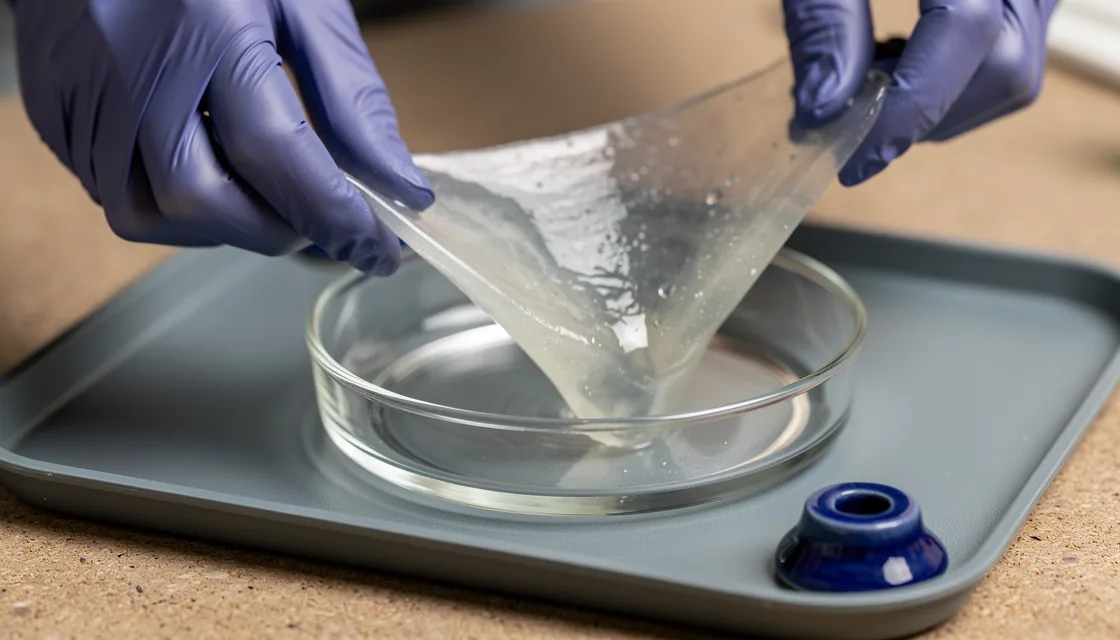
The 2017 oral-delivery experiment surrounded KPV with a considerable amount of engineering: hyaluronic-acid-functionalized nanoparticles carried the peptide inside a chitosan/alginate hydrogel. In mice with DSS-induced colitis, the targeted formulation reduced mucosal damage and TNF-alpha more effectively than non-targeted delivery.
The protective material makes this experiment unusually tangible to me. Free KPV is vulnerable to enzymatic breakdown; the study tackles delivery to inflamed colon tissue rather than assuming the peptide will arrive intact. It is an experiment in mice using a particular formulation, with outcomes that belong to that formulation.
KPV peptide sequence: Lys-Pro-Val
KPV stands for lysine-proline-valine, also written Lys-Pro-Val or H-Lys-Pro-Val-OH. These are the final three amino acids, residues 11-13, of alpha-melanocyte-stimulating hormone, alpha-MSH. The review of alpha-MSH and related tripeptides describes KPV’s anti-inflammatory activity without the parent hormone’s pigment-darkening action in preclinical work.
That separation makes the fragment interesting in its own right. I hesitate to transfer alpha-MSH findings wholesale to KPV: the short sequence and the full hormone have different research records.
PepT1 and gut inflammation
In cultured intestinal epithelial cells and Jurkat T cells, KPV reduced NF-kB and MAP-kinase activation and pro-inflammatory cytokine secretion. PepT1, a transporter that brings small peptides into cells, provided the intestinal uptake route. Oral KPV also reduced the severity of induced colitis in mice in that study.
Another mouse-colitis experiment included animals lacking MC1R, a classical melanocortin receptor. The anti-inflammatory effect persisted. Earlier recovery, faster regain of body weight and lower inflammatory infiltrate make this a useful companion to the cell experiments, though all remain preclinical.
The later KPV/FK506 co-assembled nanodrug experiment improved acute and chronic mouse-colitis outcomes beyond either agent alone. It tested a specific combination and delivery system. It supplies no direct finding for KLOW.
KPV human clinical trial evidence
No published human clinical trial establishes KPV as a standalone treatment. Its validated human half-life, therapeutic dose and clinical safety profile remain unknown. The recent nanoparticle and hydrogel studies address preclinical delivery problems; they have not resolved those human questions.
“KPV lab tested” is therefore an incomplete description until the test is named. An identity or purity measurement concerns a sample. It gives no clinical outcome for a person. Before entertaining a treatment timeline, I want human measurements of intact KPV exposure.
Mast-cell degranulation and MCAS
No published human clinical trial establishes a KPV benefit for MCAS. The cell and mouse study measures inflammatory signaling and colitis; the delivery experiment examines an oral formulation in mice. Neither establishes clinical benefit for MCAS.
I cannot substitute reduced gut inflammatory signaling for a human MCAS outcome. The papers listed here leave that question unanswered. KPV has no FDA approval, and the lack of human safety data also leaves infection, autoimmune disease, pregnancy and other individual circumstances unresolved. Its research record merits attention without a human treatment claim.